Stain Removal in Every Room: Practical Methods That Protect Fabrics, Surfaces, and Finishes
Stain removal is one of those household topics everyone needs sooner or later. Whether you are dealing with a fresh coffee spill on a shirt, a red wine mark on a carpet, grease on a countertop, or makeup on upholstery, the right approach can make the difference between a quick fix and permanent damage. Effective stain removal is not just about scrubbing harder; it is about identifying the stain, choosing the correct method, and acting fast without harming the material underneath.
In homes, workplaces, rental properties, and commercial spaces, stains can affect appearance, hygiene, and even property value. That is why stain removal matters so much. A smart cleaning strategy helps preserve textiles, flooring, and furniture while reducing the stress that comes with unexpected spills. If you want a cleaner, fresher space, learning the basics of stain removal is a simple but powerful step.
From natural fabrics to synthetic upholstery and hard surfaces, every material responds differently. The best stain removal methods depend on what caused the stain, how long it has been there, and what it landed on. This article explores practical techniques, common mistakes to avoid, and useful stain removal tips that can help you tackle everyday messes with confidence.
Understanding How Stains Form
Before starting any stain removal process, it helps to understand what a stain actually is. A stain is usually a substance that has bonded to a surface or fibers in a way that makes it visible and difficult to remove. Some stains sit on top of the material, while others soak in and attach to the structure beneath. That is why stain removal can be quick in one case and much harder in another.
Food, drink, oils, inks, dyes, mud, cosmetics, and biological materials all create different types of stains. Water-based stains, such as juice or coffee, often respond well to rinsing and mild detergent. Oil-based stains, such as salad dressing or makeup, usually need a degreasing solution. Protein-based stains, including blood or egg, require extra care because heat can set them permanently.
Timing is also important. Fresh stains are far easier to remove than old ones because they have not fully bonded with the material. In most cases, fast action and the right stain removal method are the best combination for success. The key is to treat the stain without spreading it or pushing it deeper into the surface.
Why Early Action Matters
When it comes to stain removal, time is your biggest ally. The longer a stain sits, the harder it becomes to lift. Liquids can spread, dry, oxidize, or react with air and heat, turning a small spot into a stubborn mark. Immediate stain removal can save fabrics, reduce odors, and prevent discoloration.
- Blot spills as soon as they happen.
- Avoid rubbing aggressively, which can spread the stain.
- Test cleaning products on a hidden area first.
- Use cold water for many fresh stains, especially protein-based ones.
Good stain removal habits begin with awareness. Knowing what caused the mark and what material is affected allows you to choose a method that works instead of making the problem worse. A careful approach is usually more effective than a harsh one.
Essential Stain Removal Supplies
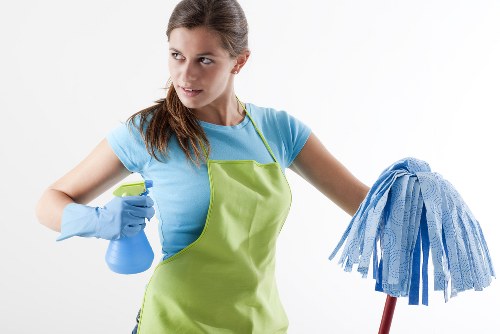
A well-stocked cleaning kit makes stain removal faster and more reliable. You do not need a shelf full of products, but having a few basics on hand can save time when accidents happen. Many effective stain removal solutions are simple household items that are already in your kitchen or laundry room.
Useful stain removal supplies often include:
- Clean white cloths or paper towels
- Soft-bristle brush
- Mild liquid detergent
- Baking soda
- White vinegar
- Hydrogen peroxide
- Enzyme cleaner
- Rubbing alcohol
- Cold water spray bottle
Each product has a purpose. Baking soda can help absorb moisture and odor. White vinegar is useful for some mineral and light food stains. Enzyme cleaners are especially effective for biological stains. Hydrogen peroxide may help with certain organic stains on washable fabrics, though it should be used carefully because it may bleach some materials.
Choosing the Right Tool for the Job
Stain removal becomes easier when your tools match the surface. Delicate fabrics need gentler handling than carpets or tile. Microfiber cloths work well for blotting, while soft brushes can help lift dirt from woven fibers. For hard surfaces, a non-abrasive sponge may be enough. The goal is always to remove the stain without scratching, fading, or weakening the material.
Important Safety Tip
Never mix cleaning chemicals unless the label specifically says it is safe. Some combinations, such as bleach and vinegar, can produce dangerous fumes. Safe stain removal starts with careful product use and good ventilation.
Stain Removal on Clothing and Fabrics
Clothing is one of the most common places where stain removal becomes urgent. Shirts, dresses, uniforms, and linens often face spills from food, drinks, cosmetics, and outdoor grime. The good news is that many fabric stains can be reduced significantly when treated correctly. The bad news is that heat, friction, and the wrong cleaner can set the stain deeper.
For washable fabrics, the first step in stain removal is usually to blot excess liquid and rinse with cold water from the back of the stain if possible. This helps push material out of the fibers rather than through them. Then apply a mild detergent or stain-specific product and let it sit briefly before laundering according to the care label.
Common clothing stains and stain removal approaches:
- Coffee and tea: Rinse with cold water, pre-treat with liquid detergent, and wash normally if the fabric allows.
- Grease: Apply a small amount of dish soap or stain remover, then wash in warm water if safe for the fabric.
- Wine: Blot immediately, use cold water, and apply a gentle stain treatment before washing.
- Ink: Dab with rubbing alcohol on a hidden spot first, then blot carefully without spreading.
- Blood: Use cold water only; hot water can set the stain permanently.
Working with Delicate Materials
Silk, wool, cashmere, and other delicate fibers need extra caution. In these cases, stain removal should be gentle and minimal. Harsh rubbing can damage the fabric surface, while strong cleaners may cause fading or shrinkage. If you are unsure, consult the care label or a professional cleaner.
Remember: the safest stain removal method is the one that protects the fabric while addressing the stain. When in doubt, spot test first and use less product rather than more.
Stain Removal on Carpets and Upholstery
Carpets and upholstered furniture present unique stain removal challenges because liquids can sink deep into the fibers and padding. If a spill is left untreated, it may lead not only to visible discoloration but also lingering odor and mildew. Quick stain removal is especially important on soft furnishings because they are harder to rinse thoroughly than clothing.
Start by blotting the stain with a clean cloth, pressing gently to absorb as much liquid as possible. Avoid scrubbing, as that can damage the pile and spread the stain outward. Once the excess is removed, use a suitable carpet or upholstery cleaner, or a mild solution of water and dish soap if the fabric is compatible.
For best results, always check the manufacturer’s cleaning code on upholstered items. Some fabrics are water-safe, while others require solvent-based stain removal products. Using the wrong cleaner can lead to rings, fading, or permanent texture changes.
Handling Common Soft-Surface Stains
Soft surfaces often need layered stain removal. For example, a pet accident may require blotting, odor neutralization, and an enzyme treatment. A grease spot may need absorbent powder first, followed by a cleaner. Knowing the stain type allows you to build an effective process.
- Food spills: Blot, lift solids gently, and clean with a safe detergent solution.
- Pet stains: Use enzyme-based products to break down organic matter and odors.
- Ink marks: Treat carefully with a tested solvent and absorbent cloth.
- Makeup: Lift residue first, then use a small amount of cleaner suited to the fabric.
Preventing Stain Spread
When working on carpet or upholstery, always clean from the outside of the stain toward the center. This helps prevent the mark from expanding. Blotting is better than rubbing because it pulls contamination upward rather than pushing it deeper. In stain removal, technique matters just as much as the cleaner itself.
Stain Removal on Hard Surfaces
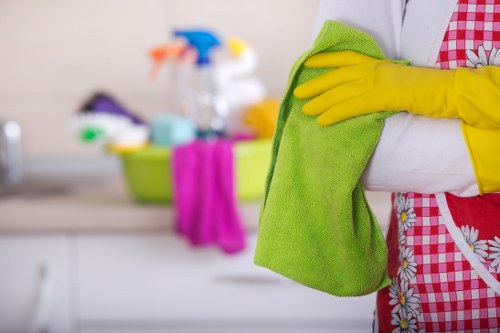
Hard surfaces such as tile, glass, stone, laminate, stainless steel, and countertops are generally easier to clean than fabric, but they still require the right stain removal approach. Some materials, such as natural stone, are porous and sensitive to acidic cleaners. Others, like stainless steel, show streaks and residue if cleaned incorrectly. Matching the method to the surface is essential.
For most hard surfaces, begin by removing loose dirt or residue. Then apply a cleaner appropriate for the material. Warm water and a mild detergent are often enough for everyday stains. For mineral deposits, soap scum, or rust, a targeted stain removal solution may be needed. Always rinse and dry the area to prevent spotting.
Surface-specific tips:
- Tile and grout: Use a brush to reach textured areas and lift embedded discoloration.
- Glass: Choose streak-free cleaners and use lint-free cloths.
- Wood: Avoid excess water; use products safe for finished wood surfaces.
- Stone: Stay away from acidic cleaners unless the product is specifically approved.
Natural Stone and Special Care
Natural stone such as marble, granite, and travertine is especially sensitive. Acidic substances like vinegar, lemon juice, and some bathroom cleaners may etch the surface rather than remove the stain. For stone stain removal, it is best to use pH-neutral cleaners and follow material-specific instructions.
Always treat stone with caution. A powerful cleaner may seem appealing, but preserving the finish is more important than using the strongest product available. In many cases, gentle stain removal delivers better long-term results.
Stain Removal by Stain Type
One of the smartest ways to approach stain removal is to identify the stain category first. Different stains respond to different treatments. A universal cleaner may help with some messes, but specialized stain removal is often more effective.
1. Food and Beverage Stains
These are among the most common. Coffee, tea, sauce, juice, chocolate, and soda can all leave noticeable marks. Immediate blotting and rinsing are usually the first steps. For set-in stains, a pre-treatment product may be needed before laundering or surface cleaning.
2. Oil and Grease Stains
Oil-based stains need a cleaner that can break down fat and lift residue. Dish soap, degreasing detergents, and absorbent powders are often useful. The stain removal process for grease usually involves letting the product sit long enough to work before rinsing or washing.
3. Protein Stains
Blood, sweat, milk, and egg are protein stains. Cold water is usually the safest first step because heat can coagulate proteins and make them harder to remove. Enzyme cleaners can be very effective in this category.
4. Dye and Ink Stains
Dye and ink can be especially stubborn. These stains may need solvent-based cleaners or repeated treatment. Blotting with care is crucial, because spreading a dye stain can enlarge the affected area. In stain removal, patience often works better than force.
5. Organic and Biological Stains
Pet accidents, vomit, mold-related marks, and other organic stains usually need enzyme cleaners or disinfecting solutions. These products help break down the material at a molecular level while also reducing odor.
Quick Decision Rule
If a stain is water-based, start gently. If it is oil-based, use a degreasing approach. If it is protein-based, use cold water. If it is unknown, test carefully and avoid harsh treatment until you know more. That simple framework can make stain removal more predictable.
Common Stain Removal Mistakes to Avoid
Even with the best intentions, people often make mistakes that make stain removal harder. The most common issue is rubbing too aggressively. While it may feel helpful, scrubbing can damage fibers and push the stain deeper. Another frequent mistake is applying heat too soon, especially on blood, milk, or protein-based spills.
Using too much product is also a problem. More cleaner does not always mean better results. Excess liquid can create rings, leave residue, or soak into padding and underlayers. Smart stain removal uses the minimum effective amount and gives the product time to work.
- Do not rub hard at the start.
- Do not use hot water on unknown stains.
- Do not mix chemicals without checking safety.
- Do not skip the spot test.
- Do not let stains sit unattended for too long.
When DIY Is Not Enough
Some stains are too large, too old, or too delicate for at-home treatment. Antique fabrics, expensive rugs, specialty upholstery, and heavily set-in marks may need professional stain removal. Calling a specialist can save money in the long run by preventing damage from overcleaning or using the wrong product.
Professional stain removal is especially valuable when the item is high in sentimental or financial value. A cautious investment in expert care can prevent irreversible loss.
Preventive Habits That Reduce Stains
Although stain removal is important, prevention is just as valuable. A few simple habits can dramatically reduce the number of spills and marks that need treatment. Protective measures also extend the life of furniture, clothing, and flooring.
Useful prevention tips include:
- Use coasters, placemats, and table protectors.
- Apply fabric protectors where appropriate.
- Keep napkins and microfiber cloths nearby.
- Clean spills immediately instead of waiting.
- Maintain laundry and upholstery care routines.
Regular maintenance matters too. Vacuuming carpets, wiping counters, and laundering textiles before stains become embedded makes a big difference. Preventive care lowers the need for aggressive stain removal later and helps your home or business look better every day.
Building a Stain-Ready Routine
A small stain response kit can be a lifesaver. Include white cloths, mild detergent, a spray bottle of cold water, and one or two specialty cleaners suited to your most common stain types. Having these items ready makes stain removal more immediate and less stressful.
In other words, preparation turns panic into action. When accidents happen, you will be ready to respond with a methodical stain removal plan instead of guessing under pressure.
Stain Removal Tips for Better Long-Term Results
Consistent success in stain removal comes from a few simple habits. Stay calm, identify the stain, treat the surface correctly, and avoid making assumptions about what will work. The best outcomes often come from gentle, well-planned action rather than aggressive cleaning.
Top stain removal tips:
- Act quickly whenever possible.
- Blot instead of rubbing.
- Read fabric or surface care labels.
- Test cleaners in a hidden area first.
- Use the least harsh method that still gets results.
- Repeat treatment only as needed, allowing time between attempts.
Stain removal also becomes easier when you understand which products are best for each situation. Laundry detergents handle everyday clothing stains well. Enzyme cleaners are ideal for organic spills. Degreasers work for oily messes. Mild acids may help with certain mineral stains on safe surfaces. Choosing wisely improves results and protects your belongings.
How SEO and Real-Life Practicality Connect
People often search for stain removal because they need a fast answer. That is why practical, direct advice performs so well online. Readers want clear steps, trustworthy recommendations, and reassurance that the problem can be solved. Providing useful stain removal content builds confidence and helps people take action with less hesitation.
Final Thought on Daily Care
Clean habits create cleaner spaces. The better your routine, the less often you will face difficult stains, and the easier stain removal becomes when something does go wrong.
Conclusion: Make Stain Removal Easier with the Right Approach
Stain removal does not have to be frustrating. With the right strategy, most everyday spills can be managed effectively before they become permanent. The key is to identify the stain, understand the surface, and use a careful method that lifts the mark without causing new damage. Whether you are working on clothes, carpets, upholstery, or hard surfaces, smart stain removal is about precision, patience, and timing.
By keeping a few basic supplies ready and learning how different stains behave, you can handle household messes with greater confidence. The more you practice proper stain removal, the more natural it becomes. Over time, your home stays cleaner, your fabrics last longer, and unexpected spills feel far less overwhelming.
If you are ready to improve your cleaning routine and protect your property, contact us today to learn more about professional support options. Book your service now and take the next step toward easier, more effective stain removal.