Insurance and Safety
 Our approach to insurance and safety is designed to support reliable, professional service while protecting people, property, and the wider working environment. Whether a project is straightforward or complex, we place equal importance on planning, prevention, and accountability. By combining public liability insurance, structured staff training, appropriate PPE, and a consistent risk assessment process, we create a safer framework for every job.
Insurance and safety are not separate ideas; they work together to reduce disruption and increase confidence. Public liability cover helps provide financial protection in the event of accidental damage or injury, while day-to-day safety measures help prevent incidents before they happen. This balance supports a responsible service that takes both operational risks and human wellbeing seriously.
We believe that a strong safety culture starts long before work begins. It begins with clear standards, suitable equipment, careful supervision, and a shared understanding of responsibilities. Every team member is expected to follow established procedures and contribute to a secure working environment from the outset.
Public Liability Insurance
Our public liability insurance is a key part of our protection strategy. It is intended to cover accidental incidents that may affect third parties, including damage to property or injury to members of the public. While prevention remains the first priority, insurance provides an important back-up layer of security in case something unexpected occurs.
Having suitable insurance in place demonstrates a commitment to professional responsibility. It shows that risk is being managed in a structured way and that the business is prepared for unforeseen circumstances. This is particularly important in environments where work takes place near the public, around valuable assets, or in changing site conditions.
We regularly review the relationship between insurance cover and working practices to ensure that protections remain relevant. As project requirements evolve, so too must the safeguards that support them. This includes making sure that operations are carried out within the scope of agreed procedures and that all relevant hazards are identified early.
Staff Training and Competence
 Effective staff training is essential to maintaining high standards in insurance and safety. Every employee receives instruction that is appropriate to their role, helping them understand safe working methods, emergency procedures, and the correct use of tools and equipment. Training is not treated as a one-time event; it is refreshed as tasks, regulations, and conditions change.
We place emphasis on practical competence as well as theory. Team members are taught how to recognise hazards, communicate clearly, and respond appropriately if conditions become unsafe. This helps create a workforce that is both confident and cautious, capable of making informed decisions in real time.
Ongoing development supports consistency across the team. New starters are inducted carefully, and experienced staff are encouraged to update their knowledge regularly. This continual learning process strengthens the overall safety framework and helps reduce avoidable mistakes.
PPE and Safe Working Practices
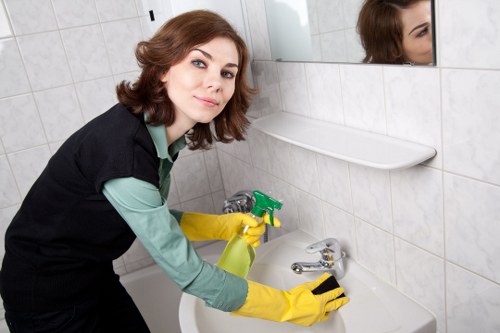 Personal protective equipment plays an important role in reducing exposure to common hazards. Depending on the nature of the task, PPE may include helmets, gloves, eye protection, high-visibility clothing, respiratory protection, or safety footwear. The correct equipment is selected based on the work being done and the conditions present.
We make sure PPE is worn where required, kept in good condition, and replaced when it no longer provides the necessary level of protection. Proper use of protective gear is supported by instruction and supervision, so that equipment is not only available but also used effectively. This practical approach contributes to safer outcomes on site.
Safe working practices also include good housekeeping, clear communication, and respect for site-specific rules. Insurance and safety depend on prevention, and prevention depends on disciplined routines. By maintaining a tidy and controlled work area, we reduce the chance of slips, trips, collisions, and other avoidable incidents.
Risk Assessment Process
The risk assessment process is central to how we manage safety. Before any work begins, we identify potential hazards, evaluate who may be affected, and determine the level of risk involved. This allows us to decide what control measures are needed and whether additional precautions should be added.
 Each assessment considers the task, location, equipment, weather, access, and the interaction between people and the environment. We also review whether existing controls are sufficient or whether a more detailed plan is required. In this way, the process remains practical, proportionate, and responsive to real conditions.
Where risks cannot be eliminated entirely, they are reduced as far as reasonably possible through controls such as supervision, restricted access, warning signage, safe sequencing, and suitable PPE. The findings are communicated clearly so everyone understands what is expected and how risks should be managed throughout the work.
Ongoing Review and Accountability
 Insurance and safety standards are reviewed continuously to keep pace with operational changes. If a new hazard is identified, if a task changes, or if conditions become more complex, the assessment is updated and the controls are adjusted. This flexible approach helps ensure that safety remains active rather than static.
Accountability is part of this process at every level. Managers, supervisors, and staff all have roles to play in maintaining safe systems of work. Clear responsibility supports better decisions, quicker responses, and stronger consistency across every stage of the job.
By combining public liability insurance, comprehensive staff training, appropriate PPE, and a reliable risk assessment process, we maintain a professional standard that prioritises wellbeing and reduces unnecessary exposure to harm. Our commitment to insurance and safety is built into everyday practice, helping create a secure, well-managed environment for all involved.