Lords Cricket Ground upholstery cleaning St Johns Wood
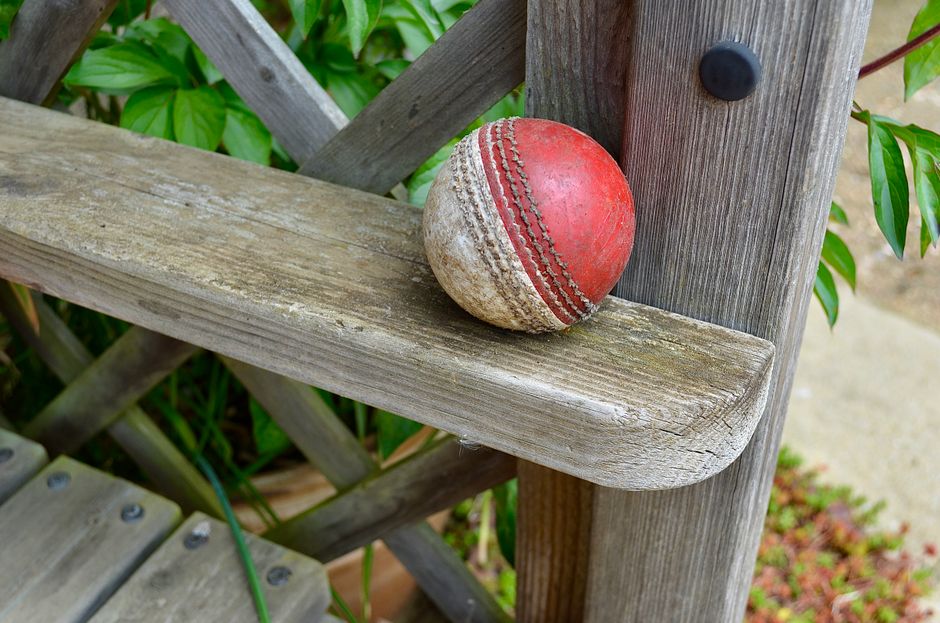
If you are looking into Lords Cricket Ground upholstery cleaning St Johns Wood, you are probably dealing with a very specific kind of job: furniture or soft furnishings that need to look sharp, feel fresh, and stand up to regular use in a busy London setting. Around Lord's, that might mean a hospitality suite, private box, office seating, club chairs, or rental furniture that simply has to present well. Let's face it, upholstery gets tired quietly. One day it looks fine, and then suddenly the armrest looks shiny, the seat has a shadow mark, and there is that faint smell you cannot quite ignore.
This guide explains how professional upholstery cleaning works, why it matters in the St John's Wood and Lord's area, what to expect from the process, and how to avoid the little mistakes that can turn a manageable clean into a headache. You will also find a simple checklist, a practical comparison table, and answers to common questions people ask before booking.
Why Lords Cricket Ground upholstery cleaning St Johns Wood Matters
Upholstery is one of those things people notice without really noticing. A clean chair helps a room feel cared for. A grubby one does the opposite, even if everything else is spotless. That matters near Lord's because the area has a polished, high-visibility feel. Visitors, guests, staff, and clients all read the space quickly. Soft furnishings often carry the first impression.
In practical terms, regular upholstery cleaning helps remove dust, body oils, food marks, drink spills, and everyday grime that collect in fabric fibres and padding. In a sports, hospitality, or commercial environment, that build-up can happen faster than expected. A sunny matchday, a long event, or simply lots of traffic through a seating area can leave fabric looking dull by the end of the week.
There is also a comfort angle. Clean upholstery feels better to use. It smells fresher. It tends to look brighter under natural light, which is especially noticeable in rooms with big windows or lighter fabrics. And if you are trying to extend the life of existing furniture, cleaning is usually far more sensible than replacing something that is structurally fine.
Expert summary: Good upholstery cleaning is not just about appearance. It supports hygiene, extends fabric life, and helps business or home spaces around Lord's and St John's Wood stay presentable between heavier use cycles.
If you are already planning broader fabric care, it can make sense to look at related services too, such as sofa cleaning, curtain cleaning, or even rug cleaning for a more joined-up result. A room rarely has just one soft surface, after all.
How Lords Cricket Ground upholstery cleaning St Johns Wood Works
Professional upholstery cleaning usually starts with identification, not spraying. That sounds obvious, but it is the bit many people miss. Different fabrics need different treatment. Cotton blends, synthetic fibres, wool mixes, velvet, and leather each behave differently under heat, moisture, and cleaning chemistry. A careful cleaner should inspect the fabric label if available, test a small hidden area, and decide on the safest method.
Most jobs follow a simple sequence:
- Assessment: Check the material, visible stains, colour stability, and wear areas.
- Dry vacuuming: Remove loose dust, crumbs, grit, and pet hair.
- Pre-treatment: Apply a suitable solution to traffic marks or specific stains where appropriate.
- Agitation or dwell time: Let the product loosen soil without over-wetting the fabric.
- Extraction or controlled cleaning: Clean the fibres using the chosen method.
- Detail work: Tackle edges, arms, seams, and stubborn spots.
- Drying guidance: Improve airflow and explain the best way to finish drying.
In real life, the work is more nuanced than a neat checklist suggests. A wine mark on a dining chair, for example, behaves very differently from a dark hand-rest on a reception sofa. One may respond to targeted stain removal; the other may need a broader clean to avoid a patchy finish.
For some setups, especially where fabrics have collected a lot of day-to-day wear, upholstery cleaning pairs well with stain removal and, where odours are part of the issue, pet stain odour removal. The point is not to do more for the sake of it. It is to treat the actual problem, properly.
Key Benefits and Practical Advantages
There is a reason people keep returning to upholstery care instead of just covering things up with throws. The benefits are practical and immediate.
- Better presentation: Clean seating makes receptions, lounges, and private spaces feel more professional.
- Improved freshness: Fabric can trap odours from food, smoke residue, pets, and general use.
- Longer furniture life: Regular cleaning can reduce the grinding effect of dust and grit on fibres.
- More comfortable use: Fresh upholstery feels more pleasant to sit on for long periods.
- Less visible wear: Traffic lanes and dull patches are easier to control before they become permanent.
- Smarter budgeting: Cleaning is usually cheaper than early replacement, especially for quality furniture.
There is a quieter benefit too. A well-cleaned room just feels calmer. You notice it when you sit down. There is less of that slightly stale, overused feeling. In hospitality or client-facing spaces near Lord's, that matters more than people admit.
Who This Is For and When It Makes Sense
This kind of service is useful for a wide range of people and settings around St John's Wood. It is not only for obviously dirty furniture. In many cases, the best time to clean is before the problem becomes visible to everyone else.
You may need upholstery cleaning if you manage or own:
- hospitality seating close to Lord's Cricket Ground
- club chairs, banquettes, or lounge furniture
- office reception seating
- private rental or managed property furniture
- family sofas and dining chairs in busy homes
- mixed-use spaces that see matchday or event traffic
It also makes sense when you are preparing for guests, a property handover, an inspection, a seasonal refresh, or simply a change in weather. Spring and early summer often show fabric marks more clearly because daylight is less forgiving. Bit annoying, really, but useful in its own way.
If the issue is broader than upholstery alone, you may want to combine the job with steam carpet cleaning or carpet cleaning so the room looks consistent rather than half-done. That consistency is often what people are really paying for, even if they do not say it out loud.
Step-by-Step Guidance
If you are booking a professional service, or just want to understand what good practice looks like, this is the simplest way to think about the process.
1. Identify the fabric
Check labels if they are present. Some fabrics are water-safe, some are not, and some can be damaged by aggressive cleaning. If a label is missing, a cautious approach is better than guesswork.
2. Remove loose debris first
Vacuuming is not optional. Dust and grit can sit deep in seams and make cleaning less effective. A clean surface is easier to treat and less likely to turn muddy during the wash stage.
3. Test before treating
Even a good product can behave badly on the wrong fabric. A hidden test spot helps protect the finish and avoids ugly surprises. Nobody wants a pale ring on a navy chair.
4. Pre-treat stains carefully
Specific marks usually need specific attention. Food, drink, cosmetic transfer, and everyday grime all respond differently. A measured approach is better than soaking the area and hoping for the best.
5. Clean with the right method
Depending on the fabric and soil level, cleaning may use hot water extraction, low-moisture cleaning, or a targeted manual process. The method should suit the material, not the other way round.
6. Speed up drying
Good airflow matters. Open windows if practical, use fans where appropriate, and avoid heavy use until the fabric is properly dry. Sitting too soon on damp upholstery is a fast way to undo the work.
7. Check the result in daylight
Artificial lighting can hide unevenness. A quick look in natural light usually shows whether a spot needs a second pass. It is a small step, but a good one.
Expert Tips for Better Results
These are the little things that separate a decent clean from a genuinely good one.
- Do not wait for a stain to set. Fresh marks are much easier to treat than dried-in ones.
- Avoid scrubbing aggressively. That often pushes the mark deeper and roughens the pile or weave.
- Watch the seams and piping. Soil loves edges. So do cleaning residues, if you are not careful.
- Mind the humidity. A damp London day can slow drying more than people expect.
- Ask about residue control. Leftover cleaner can attract dirt again, which is frustrating and entirely avoidable.
- Keep a simple maintenance rhythm. Light cleaning more often is usually easier than one heroic rescue job once a year.
A tiny practical note: if you have a mix of upholstery types in one room, clean them in a considered order. Heavily soiled pieces first, delicate pieces later. That way you are not carrying grime from one item to another. Common sense, yes, but worth saying.
For businesses, it is also wise to align fabric care with your wider cleaning schedule, including commercial carpet cleaning where relevant. Uniform standards across the room create a better impression than a single spotless chair surrounded by tired surroundings.
Common Mistakes to Avoid
Most upholstery problems during cleaning come from a handful of predictable errors. Luckily, they are easy enough to avoid once you know what they are.
- Using too much water: Over-wetting can leave rings, slow drying, and even affect padding underneath.
- Choosing the wrong product: Some chemicals are far too strong for delicate fabrics.
- Ignoring the fabric label: The label exists for a reason, even if it looks a bit boring.
- Cleaning only the visible stain: Spot-only work can leave halos or a mismatched finish.
- Rushing the drying stage: It may look fine on the surface while the padding is still damp below.
- Assuming all upholstery is the same: It really is not. Not even close.
One of the most common calls I have seen over the years is the "we tried to fix it ourselves and made it bigger" type of job. Honest mistake. Happens all the time. But if the fabric is valuable, antique, or just expensive to replace, caution pays off.
Tools, Resources and Recommendations
You do not need a warehouse of specialist kit to understand a good clean, but the right tools make a clear difference.
| Method | Best for | Advantages | Limitations |
|---|---|---|---|
| Vacuum and dry detail cleaning | Light maintenance, dust, crumbs, pet hair | Fast, low-risk, good for routine upkeep | Will not remove deep marks or odours |
| Low-moisture upholstery cleaning | Delicate fabrics, quicker turnaround needs | Shorter drying time, less saturation | May need careful stain pre-treatment |
| Hot water extraction | Heavier soil, durable fabrics, deep refresh | Strong soil removal, thorough finish | Not suitable for every fabric type |
| Targeted stain treatment | Localised marks, spill spots, traffic lines | Focused approach, efficient | Can leave patches if not blended properly |
As a recommendation, the best starting point is always the fabric type and the end goal. Do you need a quick refresh before guests arrive, or do you need a deeper restorative clean? That answer changes the method. A good cleaner should talk about that plainly, not hide behind jargon.
If you are reviewing suppliers or trying to understand scope, the site pages on upholstery cleaning and pricing and quotes are sensible places to start. For background on the business and approach, about us can also help build trust. And if safety, insurance, or payment handling matters to your decision, those details are worth reviewing too. They usually should be, honestly.
Law, Compliance, Standards, or Best Practice
For upholstery cleaning in homes and commercial settings, the main concern is not legal complexity; it is sensible duty of care, safe working practice, and property protection. In a place like St John's Wood, where many properties and venues are well maintained and client-facing, that matters.
Best practice usually includes:
- checking material suitability before treatment
- using appropriate equipment and controlled moisture levels
- following sensible health and safety procedures
- handling cleaning products responsibly
- protecting floors, adjacent finishes, and electrical items nearby
- being clear about drying times and access during the work
If the clean is being carried out in a business or managed setting, insurance and clear procedures become especially relevant. That is why it is sensible to review a provider's insurance and safety information, as well as their health and safety policy and terms and conditions. These pages do not make the cleaning better on their own, of course, but they do tell you how seriously the business treats the work.
For customers who prefer a provider with a transparent support process, the available complaints procedure, privacy policy, and payment and security information can also be reassuring. Small thing? Maybe. But those small things matter when you are letting someone work inside your property.
Options, Methods, or Comparison Table
When people compare upholstery cleaning options, they usually want one simple answer: which method is safest and most effective for my furniture? The honest answer is that it depends on the fabric, the contamination, and how quickly the room needs to be back in use.
| Option | Good choice when... | Not ideal when... |
|---|---|---|
| DIY spot cleaning | The mark is fresh and the fabric is robust | The fabric is delicate, older, or the stain has set |
| Professional low-moisture clean | You need quicker drying and a gentle finish | The upholstery is heavily soiled throughout |
| Professional hot water extraction | The fabric is suitable and the soil level is moderate to heavy | The fabric cannot tolerate saturation or heat |
| Replacement | The item is damaged beyond sensible repair | The furniture is still structurally sound |
For many homes and businesses, cleaning is the sweet spot. It preserves what you already own, improves the room quickly, and costs less than buying new. Truth be told, a lot of furniture looks worse than it actually is. Once the surface soil lifts, the piece has a second life in it.
Case Study or Real-World Example
Here is a straightforward real-world scenario from the kind of work that comes up around Lord's and St John's Wood.
A small hospitality room has several fabric armchairs and a sofa used for guests before events. Over time, the seats pick up drink marks, body oils, and a faint stale smell from being used frequently but not very aggressively. Nothing dramatic. Just the usual wear you only notice once it has built up. The room still looks tidy at first glance, but the furniture has gone flat and a little grey around the arms.
The sensible approach is to inspect the fabrics, vacuum thoroughly, pre-treat the traffic areas, and clean each item in a controlled way. If there is a noticeable stain on one chair, it is handled separately and blended into the overall clean so it does not leave a patch. Once dry, the room feels brighter. The furniture looks younger, if that makes sense. Not brand new. Just properly cared for.
That kind of result is often enough to change how the whole space feels to guests. No drama, no major disruption, just a cleaner first impression. And in a place with regular footfall, that is often the real win.
Practical Checklist
Use this before booking or carrying out the work.
- Identify the main fabric type if you can.
- Note any stains, odours, or high-wear areas.
- Check whether the furniture has loose cushions or removable covers.
- Ask how the cleaner tests for colourfastness.
- Confirm the likely drying time.
- Make sure the room can be ventilated after cleaning.
- Move fragile items and clear access around the furniture.
- Ask whether stain treatment is included or priced separately.
- Review safety, insurance, and payment information if it is a commercial setting.
- Plan when the room can safely be used again.
If you want a more complete refresh across the property, consider pairing upholstery work with mattress cleaning or curtain cleaning. It is often easier to do all the soft furnishings in one coordinated visit than to keep revisiting the same room over and over.
Conclusion
Lords Cricket Ground upholstery cleaning St Johns Wood is really about keeping important spaces looking composed, comfortable, and ready for use. Whether you are managing a hospitality area near Lord's, refreshing a private home, or looking after commercial seating in the surrounding streets, the principles stay the same: identify the fabric, choose the right method, clean carefully, and let the item dry properly.
The best results usually come from patience and judgement rather than heavy-handed treatment. That sounds simple, but it is exactly why good upholstery cleaning makes such a difference. It preserves the furniture you already have, avoids unnecessary replacement, and gives a room that quietly pleasing "this is looked after" feeling.
If you are weighing up the next step, start with the fabric, the stain, and the time you have available. That usually tells you most of what you need to know.
Get a free quote today and see how much you can save.
And if all you do today is spot the problem early, that is still a good day's work.
Frequently Asked Questions
What does Lords Cricket Ground upholstery cleaning St Johns Wood usually include?
It usually includes inspection, vacuuming, stain pre-treatment, a suitable cleaning method for the fabric, and drying guidance. Some jobs also need odour treatment or broader soft-furnishing care.
How often should upholstery be cleaned in a busy London setting?
That depends on use, fabric type, and visibility, but busy seating areas often benefit from regular maintenance rather than waiting until the furniture looks obviously dirty. High-use spaces near Lord's may need more frequent attention.
Can all upholstery fabrics be steam cleaned?
No. Some fabrics handle heat and moisture well, while others do not. The safest method depends on the material, the backing, and the condition of the item. Testing first is always sensible.
Will upholstery cleaning remove every stain?
Not always. Fresh marks usually respond better than old or heat-set stains. The age of the stain, the fabric type, and what caused it all affect the result. Good cleaners should be honest about that.
How long does upholstery take to dry?
Drying time varies by fabric, room temperature, ventilation, and the cleaning method used. Low-moisture methods generally dry faster, while deeper wet cleaning needs more time. Good airflow helps a lot.
Is upholstery cleaning safe for delicate or antique furniture?
It can be, but only with a careful assessment and a gentle approach. Delicate pieces should be treated conservatively, and sometimes specialist handling or a lighter surface clean is the better choice.
What should I do before a cleaner arrives?
Clear access around the furniture, remove fragile items, point out problem stains, and mention any fabric concerns. If the room needs to stay unused for a while, plan for that in advance.
Can upholstery cleaning help with odours as well as stains?
Yes, often it can. Odours from everyday use, food, pets, or stale air can be reduced when the source is removed from the fibres. Some smells are deeper than others, though, so expectations should be realistic.
What is the difference between sofa cleaning and general upholstery cleaning?
Sofa cleaning is one type of upholstery cleaning. Upholstery cleaning is the broader category and can cover chairs, benches, headboards, office seating, and other soft furnishings.
Do I need professional cleaning if the furniture only looks a bit dull?
Often, yes. Dullness is usually a sign of built-up soil or residue rather than simple ageing. Cleaning at that stage can improve appearance and help prevent heavier wear from settling in.
How do I know if a cleaner is using the right method?
They should explain the fabric type, the chosen process, any test spots, and expected drying time in plain English. If the explanation sounds vague or overly confident, ask more questions.
Can I combine upholstery cleaning with other services?
Yes, and in many homes or businesses that is the most efficient approach. Pairing it with carpet, rug, or stain-specific work often gives a more consistent result across the whole space.